

Starting an indoor playground equipment business can be a rewarding venture, especially with the growing demand for safe and engaging play spaces for children. Here’s a step-by-step guide to help you get started:
1. Conduct Market Research
- Identify Your Target Market: Determine the age group (e.g., toddlers, preschoolers, or older children) and the demographics of your potential customers.
- Analyze Competitors:Study existing indoor playgrounds in your area to understand their offerings, pricing, and customer base.
- Assess Demand: Evaluate the need for an indoor playground in your location. Consider factors like population density, family-friendly neighborhoods, and the presence of schools or daycare centers.
2. Create a Business Plan
- Executive Summary: Outline your business concept, mission, and goals.
- Market Analysis: Summarize your research findings.
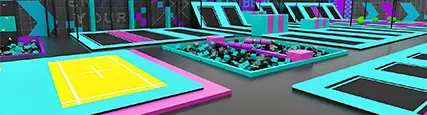
- Services Offered:Define the types of play equipment and activities you’ll provide (e.g., soft play, climbing structures, trampolines, arcade games).
- Pricing Strategy: Decide on admission fees, membership plans, or party packages.
- Marketing Plan:Outline how you’ll attract customers (e.g., social media, local advertising, partnerships with schools).
- Financial Plan:Include startup costs, revenue projections, and funding requirements.
3. Choose a Location
- Size and Layout:Ensure the space is large enough to accommodate play equipment, seating areas, and restrooms.
- Accessibility: Select a location that’s easy for families to reach, with ample parking and public transport options.
- Zoning and Permits: Check local zoning laws and obtain necessary permits for operating an indoor playground.
4. Source Playground Equipment
- Research Suppliers: Look for reputable manufacturers or suppliers of indoor playground equipment. Consider factors like safety, durability, and design.
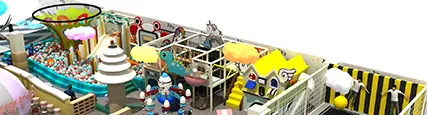
- Customization: Choose equipment that aligns with your theme or target audience (e.g., jungle gyms, ball pits, obstacle courses).
- Safety Standards: Ensure all equipment meets safety regulations (e.g., ASTM or EN standards).
1. ASTM F1918 for North America: Standard for safety and performance of soft contained play equipment.
2. NFPA 701 for North America: This safety standard ensures the safety and quality of fabric and material used to make indoor playground equipment.
3. CPSIA for North America: Consumer Product Safety Improvement Act is a law of the US Government that restricts levels of hazardous materials in children's products imported from abroad and those made in the US.
4. UL 94 for North America: It is a test to determine the indoor playground equipment material's relative flammability.
5. REACH: It is a European Community (EC) safety regulation that issues safety certification for Non-Phthalates in Toys and Childcare Article.
6. EN 71 for Europe: It specifies safety requirements for toys.
7. AS3533.4.2-2013: It is indoor playgrounds Australian safety standard.
8. CSA Z614-07(R2012): It is a standard developed by Canadian Standards Association (also known as "CSA Group") that provides requirements for public-use play spaces and play equipment.
9. ISO standard: is one of the most implemented and recognized international safety standards.
5. Design the Play Area
- Layout Planning: Arrange equipment to maximize space and ensure smooth traffic flow.
- Theming: Create an engaging environment with colorful designs, themed zones, and interactive elements.
- Safety Measures: Install soft flooring, padding, and safety nets. Clearly mark age-appropriate areas.
6. Hire and Train Staff
- Staffing Needs: Hire employees for roles like customer service, cleaning, and supervision.
- Training: Provide training on safety protocols, emergency procedures, and customer interaction.
7. Set Up Operations
- Pricing and Packages: Decide on admission fees, party packages, and membership plans.
- Operating Hours: Choose hours that cater to your target audience (e.g., weekends, holidays, after-school hours).
- Policies: Establish rules for safety, cleanliness, and customer behavior.
8. Market Your Business
- Branding: Create a memorable name, logo, and tagline.
- Online Presence:Build a website and social media profiles to showcase your facility and promote events.
- Grand Opening: Host a launch event with special promotions to attract families.
- Partnerships: Collaborate with schools, daycare centers, and local businesses to drive traffic.
9. Ensure Safety and Compliance
- Insurance: Obtain liability insurance to protect your business from potential accidents or injuries.
- Inspections: Regularly inspect equipment and facilities to ensure safety and compliance with local regulations.
10. Monitor and Improve
- Customer Feedback: Collect feedback from parents and children to identify areas for improvement.
- Add New Features: Regularly update your play area with new equipment or activities to keep customers engaged.
- Financial Tracking: Monitor expenses and revenue to ensure profitability.
Estimated Startup Costs
- Equipment: $20,000–$100,000+ (depending on size and quality).
- Rent/Lease: $2,000–$10,000 per month (varies by location).
- Renovations:$10,000–$50,000 (for flooring, lighting, and decor).
- Marketing: $2,000–$5,000 (initial campaigns).
- Miscellaneous: $5,000–$10,000 (permits, insurance, etc.).
By following these steps and staying committed to providing a safe, fun, and engaging environment, you can build a successful indoor playground equipment business.




 EN
EN ES
ES AR
AR

