

The job of a parent is to protect and nurture your child, to keep them safe from harm. But sometimes the best way to raise a self-assured kid is to let them take risks. And there’s no better way to do that than through play. Although “risk” conjures ideas of recklessness and danger, research indicates that risky play — usually defined as thrilling and exciting forms of play that involve a risk of physical injury — helps kids develop resilience, self-confidence, independence, executive functioning capabilities, and risk-management skills.
Academic study of risky play over the last 15 years has steadily built the case for risky play. Researchers in Australia, for example, observed that kids showed an awareness of potential dangers during risky play and modified their play accordingly. The children who engaged in risky play used their experiences to more accurately understand how much risk both they and their playmates were equipped to manage, which in the long run facilitated support for each other’s risk engagement and safety.
“Risks are freely chosen by children,” says play researcher and advocate Megan Zeni. “Adults who believe children are competent and capable hold space for children to make their own decisions about how they use their own bodies in play.”
One of the most important aspects of risky play might be that healthy exposure to typical fear-eliciting stimuli and contexts, which has the effect of reducing fear in kids. The researchers argue that overprotection may cause higher levels of anxiety, and that it might be wise to provide more stimulating environments for children to help them develop self-assuredness and resilience.
But even if you accept the rationale behind risky play, implementation of it can feel overwhelming. After all, no one wants to have to rush their kid to the ER because they broke their arm climbing a tree. To get yourself and your kids comfortable with risky play, Zeni encourages parents to consider these four strategies.
Types of Risky Play
Grounded in the extensive research of Ellen Beate Hansen Sandseter, Ph.D., child development experts divide risky play into eight different categories.
1. Play With Height
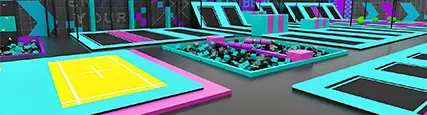
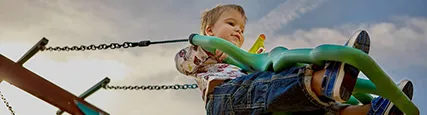
What it looks like: Playground equipment such as monkey bars, trampoline parks, rock climbing gyms, jumping off a diving board, rope climbing.
2. Play With Speed
What it looks like: Going down tall slides, swinging, running, spinning, biking, go-karting.
3. Play With Tools
What it looks like: Cutting with scissors, using a drill, pounding nails, sewing with a needle, using electric cooking appliances.
4. Play With Elements
What it looks like: Playing near a body of water, cooking over a campfire, hiking on steep terrain, playing in the snow or on ice.
5. Play With a Chance of Being Lost
What it looks like: Playing hide-and-seek, wandering the neighborhood with friends, going on a hike in an unfamiliar place.
6. Rough and Tumble Play
What it looks like: Wrestling, playfighting, gently running a bike into a wall, smashing objects (ice, old items that are going to be thrown out, jumping on cardboard boxes).
7. Vicarious Play
What it looks like: Watching videos of people doing dangerous things, or observing roofers or construction workers in your neighborhood.
8. Play With Impact
What it looks like: Cannonball jumping into water or jumping off a play structure.
Choose the Right Type of Risky Play
There is no shortage of risky play options, but some types are more palatable than others. For example, it’s completely understandable if playing at great heights or rough-and-tumble play feel like too much straight out of the gate. However, some low-impact risky play activities also have practical benefits that kids will use throughout their lives, Zeni says.
“Parents new to risky play usually are most accustomed to play with tools,” she says. “Teaching children to cut with a knife, use a vegetable peeler, or how to cut with scissors are all life skills that parents can immediately recognize as beneficial to their child’s development.” Other options include indulging your child when they ask you to push them higher while swinging or letting them wrestle with their siblings even if it creates a ruckus.




 EN
EN ES
ES AR
AR

